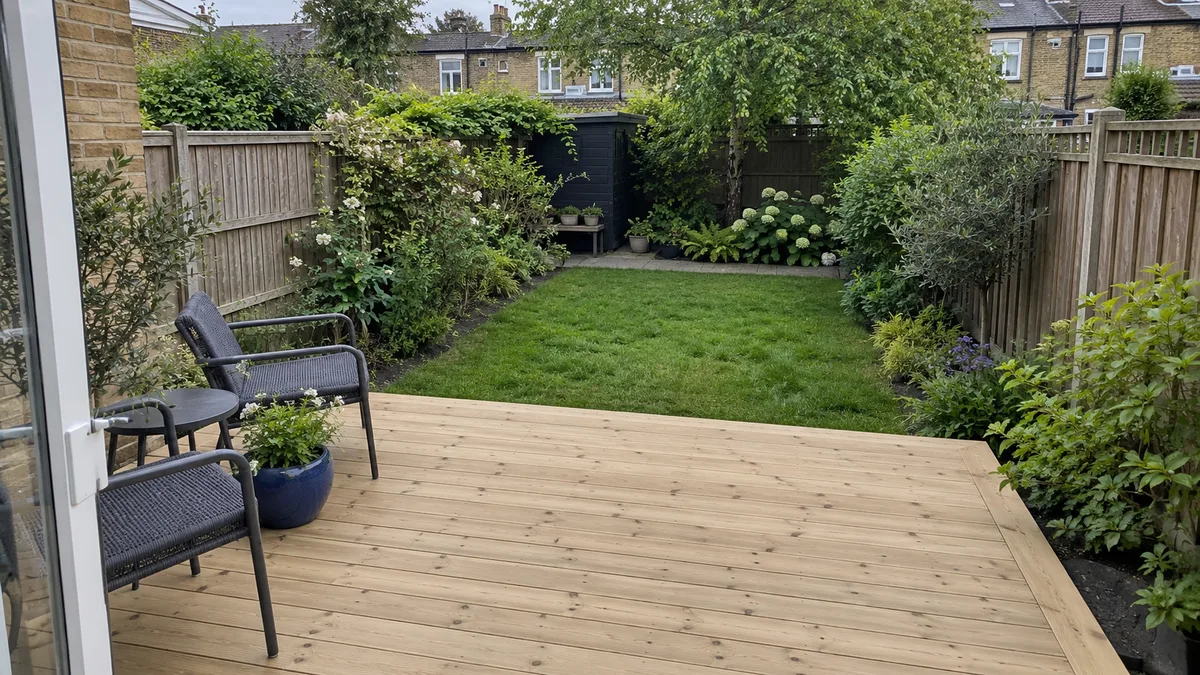
A good decking quote starts with a conversation. The finished boards matter, but so do the structure underneath, the way rainwater drains and the practicalities of getting materials into your garden. Asking the same questions of each contractor makes the differences between their proposals much clearer.
1. Have you built decks like mine before?
Ask for examples that match your project: a compact London garden, a raised deck, difficult access or a full replacement. A contractor who mainly lays ground-level decks may need a different approach for a raised structure with steps and balustrades.
Look for photos of their own work and, with permission, a recent customer reference. Ask how they handled access, unexpected problems and finishing details. Attractive inspiration pictures alone do not establish installation experience.
2. Who am I hiring, and can I see your insurance?
Confirm the business name on the quote, who will carry out the work and who will be your main contact. If subcontractors are involved, ask who supervises them and takes responsibility for the finished job.
Request current public liability insurance details and check that the business and work described match your project. If a contractor claims trade membership or manufacturer approval, verify the claim with that organisation.
3. What will you check during the site survey?
A useful survey covers more than the length and width of the deck. Discuss ground levels, access through the house or side passage, drainage, doors, air bricks, manholes and where materials can be stored.
Expect the contractor to ask how you will use the space. Dining furniture, a change of level or a proposed hot tub can affect the design. Mention heavy loads at the start so suitable structural advice can be obtained where needed.
4. What is your plan for the frame beneath the boards?
Ask what supports the deck, which framing material is proposed and how water and air will move around it. The specification should suit the chosen boards and the conditions in your garden, rather than simply describing a “standard frame”.
For a replacement, ask what can be inspected now and what can only be assessed once the old boards are lifted. Reusing an existing frame should follow an assessment of its condition and suitability. New boards will not resolve deteriorated joists, weak supports or persistent moisture problems underneath.
5. Which exact decking product are you quoting for?
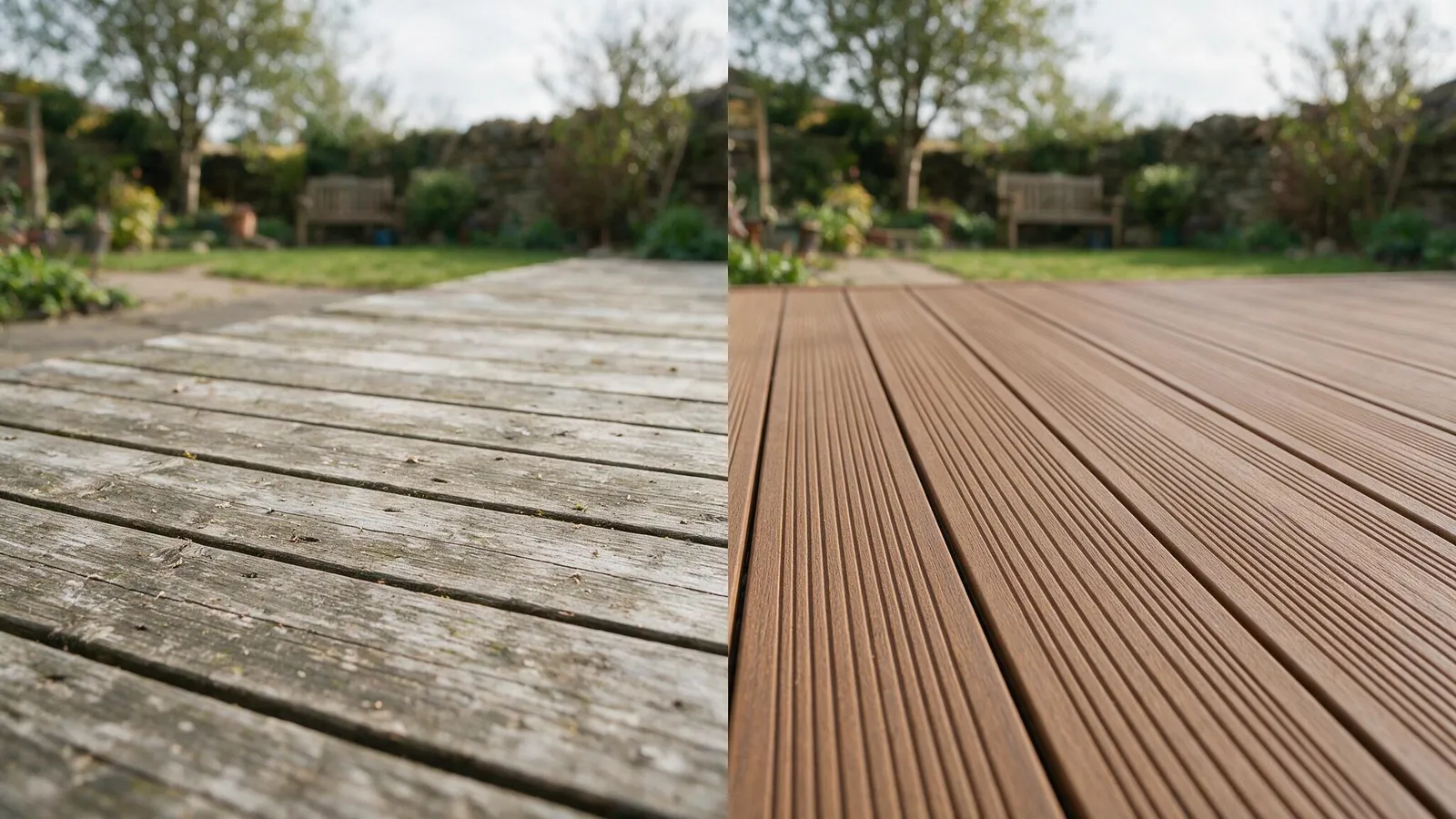
“Timber” and “composite” are broad descriptions. Ask for the timber species and treatment specification, or the composite manufacturer, range, board profile, colour and finish. Request a physical sample if appearance matters to your decision.
Ask why that product suits the location, including shade, exposure and cleaning needs. The contractor should explain how the supports, fixings and board spacing will follow the selected manufacturer’s guidance. Compare matching specifications when reviewing prices.
Explore our timber decking and composite decking options before your survey.
6. What permissions or approvals should we check?
Ask who will check the proposed deck height, position and property restrictions, and who will arrange any necessary applications. Do not assume that a replacement or a small garden project automatically needs no permission.
In England, permitted development depends on conditions and the property type. Flats, listed properties and homes with restricted development rights need particular care. If the position is unclear, check with your local planning authority before agreeing a start date. Ask separately whether building regulations or structural design advice apply to the proposed work.
See Planning Portal’s decking guidance and our London decking planning guide for a starting point.
7. What exactly is included in the written quote?
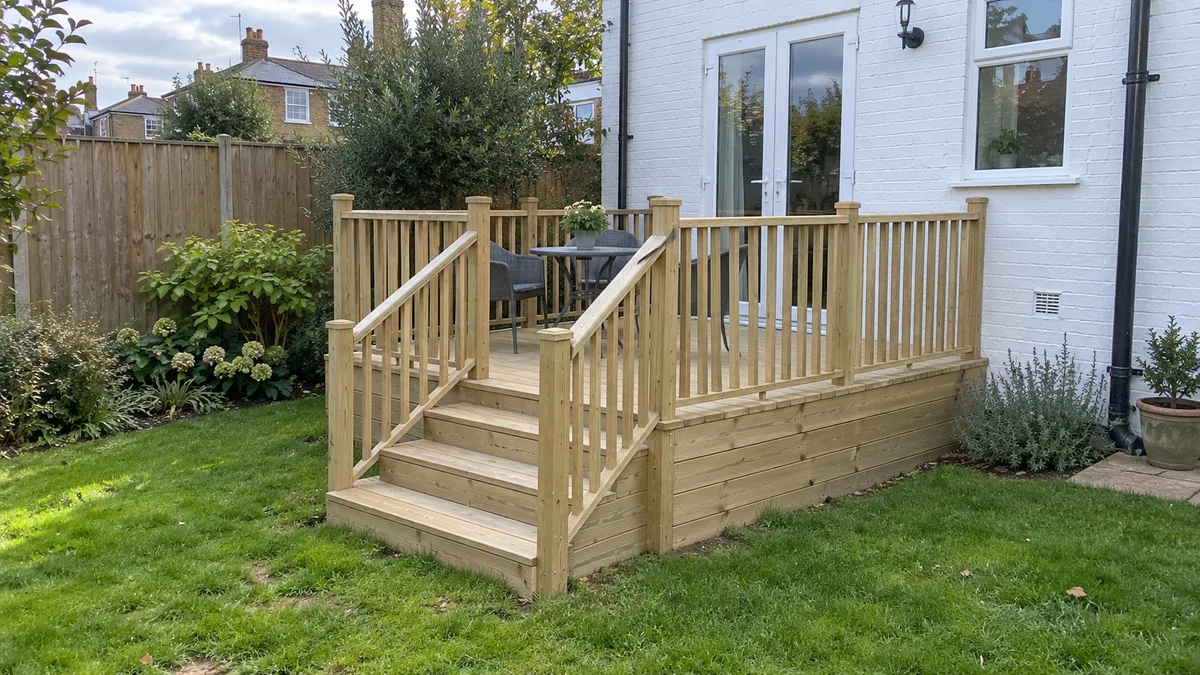
Ask for a clear scope covering the deck dimensions, boards, subframe, preparation, labour, fixings and finishing. Establish whether removing the old deck, waste disposal, steps, balustrades, delivery and access costs are included. Confirm the total payable and whether VAT applies.
Ask the contractor to identify exclusions and any allowances that may change. Two prices are only comparable when they cover the same work. A lower figure may exclude removal or structural work that another contractor has already allowed for.
8. How will hidden problems and extra work be handled?
An old deck can hide damage that nobody can price precisely before dismantling. Ask what will happen if the exposed frame or ground is different from the survey assumptions.
Agree that changes to scope, cost and timing will be explained and approved in writing before the additional work proceeds. Photos of the issue and a revised price make the decision easier to understand.
9. What deposit and payment schedule do you propose?
Request the deposit amount, what it covers and when later payments fall due. Ask for invoices and a written schedule tied to clear stages, such as materials supplied or agreed work completed.
A contribution towards ordered materials should have a clear explanation. Be cautious about pressure to pay the full project price before work starts. Agree how the final inspection and any outstanding items fit into the payment schedule.
10. When will the work happen, and how will you protect my home?
Ask for a realistic start window and expected duration, including removal and clearing up. Establish how weather, delayed materials or concealed problems could affect the programme and how you will be updated.
For London homes with limited access, agree how materials and waste will pass through the property, where vehicles can park and what protection is needed. Ask how the work area will be left secure around children and pets each day.
11. What do the product warranty and workmanship guarantee cover?
Request the terms in writing and distinguish the board manufacturer’s warranty from the contractor’s workmanship guarantee. A long warranty on decking boards does not automatically cover the frame, installation or the labour needed to replace a board.
Ask about exclusions, maintenance conditions, registration requirements and the process for reporting a problem. Confirm who you should contact and which documents you will receive at handover.
12. What maintenance and handover information will I receive?
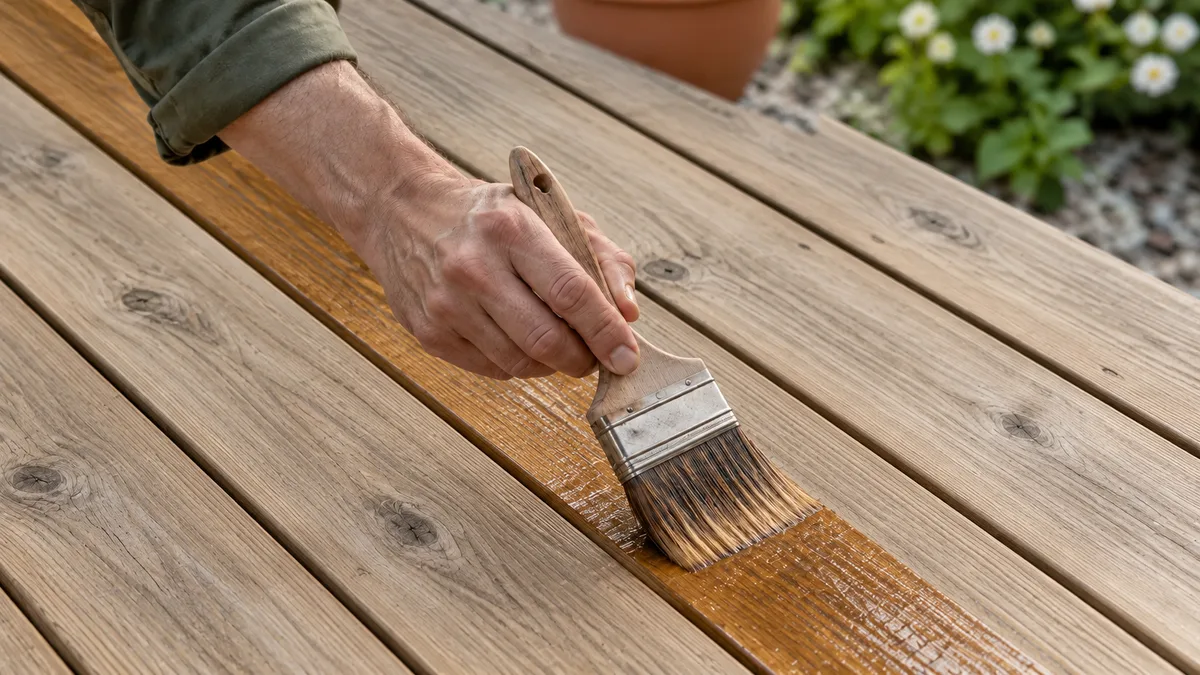
Ask for care instructions for the exact boards and finish you choose. Discuss routine cleaning, leaves and debris, suitable products, and any future treatment needed for timber. Lower-maintenance decking still needs care.
At handover, walk around the finished deck together and record any outstanding work. Keep the quote, agreed changes, invoices, product details and guarantee documents together, with a clear contact for follow-up questions.
How should I compare the answers?
Look for specific answers supported by a site visit and a written scope. Useful detail includes named materials, a clear plan for the subframe, an explanation of what remains uncertain and an agreed process for changes.
TrustMark recommends obtaining three quotes, checking references and using a written contract. Its homeowner guidance is a useful independent checklist. Compare the same dimensions, materials and scope across each proposal before judging the total.
Replacing an old deck in London?
Ask the contractor to explain why the existing deck has deteriorated and how the proposed work addresses that cause. Changing a few visible boards may leave problems beneath the surface unresolved, although a sound deck with a small local defect may not need a full rebuild.
London Decking Specialists carries out new installations and full timber and composite decking replacements. We do not offer small patch repairs or individual board replacement jobs. For a complete project, arrange a free, no-obligation assessment and bring this checklist to the visit.